Women in Immersive and Experience Design: Understanding the Leadership Gap and How We Build a Fairer Future
Women are already powering the experience industry, it is time leadership caught up, we are not asking for space at the table, we are building a bigger one for everyone.
The Experience Industry Is Falling Behind on Gender Representation in Leadership
Immersive installations, interactive exhibitions, live events, themed attractions, brand activations, within the live experience industry specialise in transporting audiences into new worlds. It is powered by imagination, empathy, play, and human connection. Yet when you look beyond the audience and into the rooms where creative direction is shaped and major decisions are made, the picture becomes far less varied. Leadership remains surprisingly narrow, with men holding most of the influence behind the scenes. For many women working in this field, this does not come as a shock. It is not a perception issue.
It is a pattern backed by data.
The Numbers Do Not Lie, The Uncomfortable Truth
Women make up almost half of the UK creative industries workforce at 48 percent, but hold only 21 percent of Director and CEO roles and roughly 30 percent of managerial positions (We Are Creative UK, 2024). and In the design sector, women hold just 25 percent of managerial roles (MarComm News, 2024). Although women represent around 50 percent of creative graduates, that figure drops to around 25 percent in leadership (Dr Jodi Nelson-Tabor LinkedIn, 2024).
Female creative leadership is not climbing. It is shrinking. Creative Director roles held by women have fallen from 30.2 percent in 2022 to 25.6 percent in 2024 (Creative Equals, 2024). The immersive and XR sector shows the same pattern, with men continuing to dominate senior, funded, and visible positions (Immersive Arts, 2023).
These are not small imbalances. They tell women that no matter how skilled or experienced they are, their odds of reaching leadership remain stacked against them.
A 2025 study on women in creative leadership highlights informal hiring, unpaid or underpaid work expectations, short-term contracts, and the lingering myth of the male lone creative genius as core contributors to inequality (Carr & Van Raalte, 2025).
In the immersive experience industrty, these pressures are magnified. Work is project based with limited stability. Senior roles are often filled through existing networks, which means those outside the circle rarely enter it. Women are not left out due to lack of skill. They are left out because power follows familiarity instead of visibility.
Meanwhile, 120,000 women have left the UK’s creative sector over the last two years, according to the Major Players 2025 Salary Census . Many cite burnout, lack of flexibility, and poor recognition. And those who remain face a steep climb: three in four creative leadership roles (75%) are still held by men (Creativebrief, 2025).
My Experience Inside The System
I have seen this imbalance first hand. When working in agency settings, I have been placed again and again on projects aimed at young children, fitness, and food festivals, brilliant projects I cared about and delivered with excellence, but it eventually became clear that I was being funnelled into softer themes while available high profile, IP led, male targeted experiences went elsewhere. This was despite the fact I built my early career on action heavy, gamified, adrenaline driven experiences with predominantly male audiences and I was more than capable of leading them.
One moment that has really stayed with me was being told I could not receive a promotion I had already earned because I needed to adjust my hours to make a 6pm nursery pick up. My results were well above target, my contribution was clear, and yet flexibility was treated as a weakness rather than a sign of good leadership.
But my story is not only made of barriers, often quite the opposite as I have a wonderful, diverse, and supportive network. I have been bigged up, advocated for, and championed by outstanding colleagues and leaders. I have worked with companies that set the standard for equality, where women are empowered to lead and trusted with major creative and strategic responsibility. I co-founded my first company at 24, I now proudly serve as CEO of my own company Immersive Ideas, I mentor women in the sector through NOWIE, and I wear many hats in work, at home, and within my community.
Being a woman and a mother has shaped my leadership in ways I value deeply. It honed my instincts around audience needs, emotion, access, play, and connection. It made my thinking more intuitive, more inclusive, and more human. These qualities are not soft skills. They are creative advantages.
This is not an attack on our industry. It is a reflection of lived experience backed by data. There are brilliant organisations already getting this right. The goal is not to point fingers but to raise the standard until that becomes the norm everywhere.
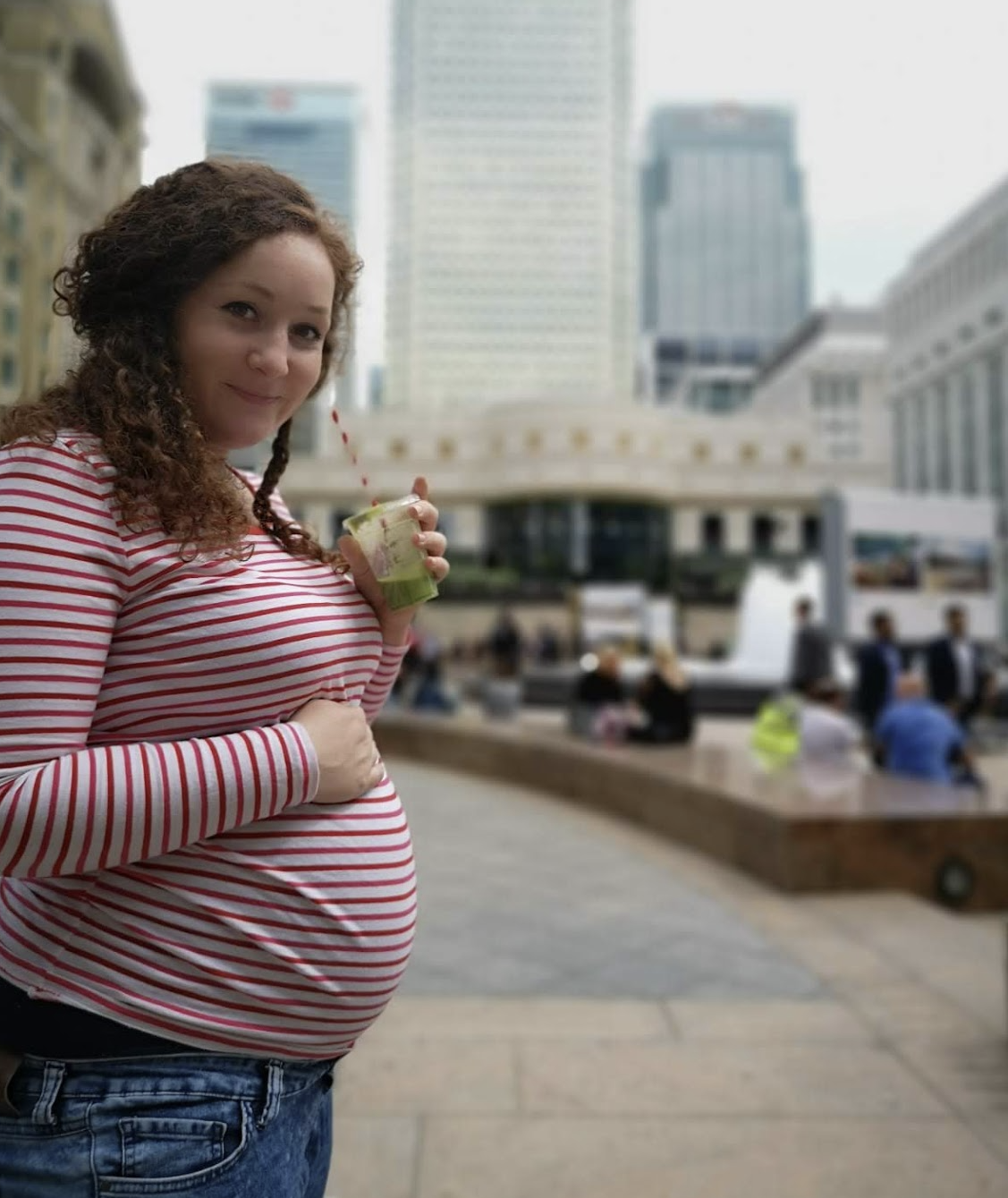
Here I am 8 months pregnant in 2019 taking a well deserved juice break after a networking event for upcoming young event producers in Canary Wharf London.
Why It Matters and What Do We Do About It
This is not only about fairness. It is about the quality of the work we produce and the future of the industry. Diversity in leadership is not a nice tick box to have. It is a competitive advantage.
Teams with varied perspectives communicate better, take smarter creative risks, and build experiences that resonate with wider and more diverse audiences. Research also shows that companies with diverse leadership consistently outperform competitors financially and retain talent for longer.
If immersive storytelling is rooted in empathy and human connection, then leadership must reflect the full spectrum of people who shape and experience this work. When more women lead, creativity gets bolder, audiences feel better represented, and the work becomes richer.
So how do we get there?
1. Rebuild the pipeline
• Mentorship and sponsorship should be standard, not luck.
• Women should lead major creative projects, not be confined to delivery roles.
• Make visibility intentional. Credit, attribution, and platforms matter.
2. Rethink structures and flexibility
• Transparent recruitment reduces bias and opens doors to new talent.
• Flexibility must exist in leadership roles too, not only in junior posts.
• Measure commitment by impact, innovation, collaboration, and thinking.
3. Challenge the leadership myth
• The old archetype of the lone male creative genius has shaped who we picture in charge for too long.
• Emotional intelligence, collaboration, and empathy are not soft skills. They are leadership skills.
• Redefining what leadership looks like makes room for more talent of every kind.
4. Make women visible
• Put women on panels, podcasts, and press features.
• Fund and platform women led projects.
• Future talent needs to see leaders who reflect them.
When we fix representation at the top, we do not just change who leads, we change the quality, power, and cultural impact of the experiences we make.
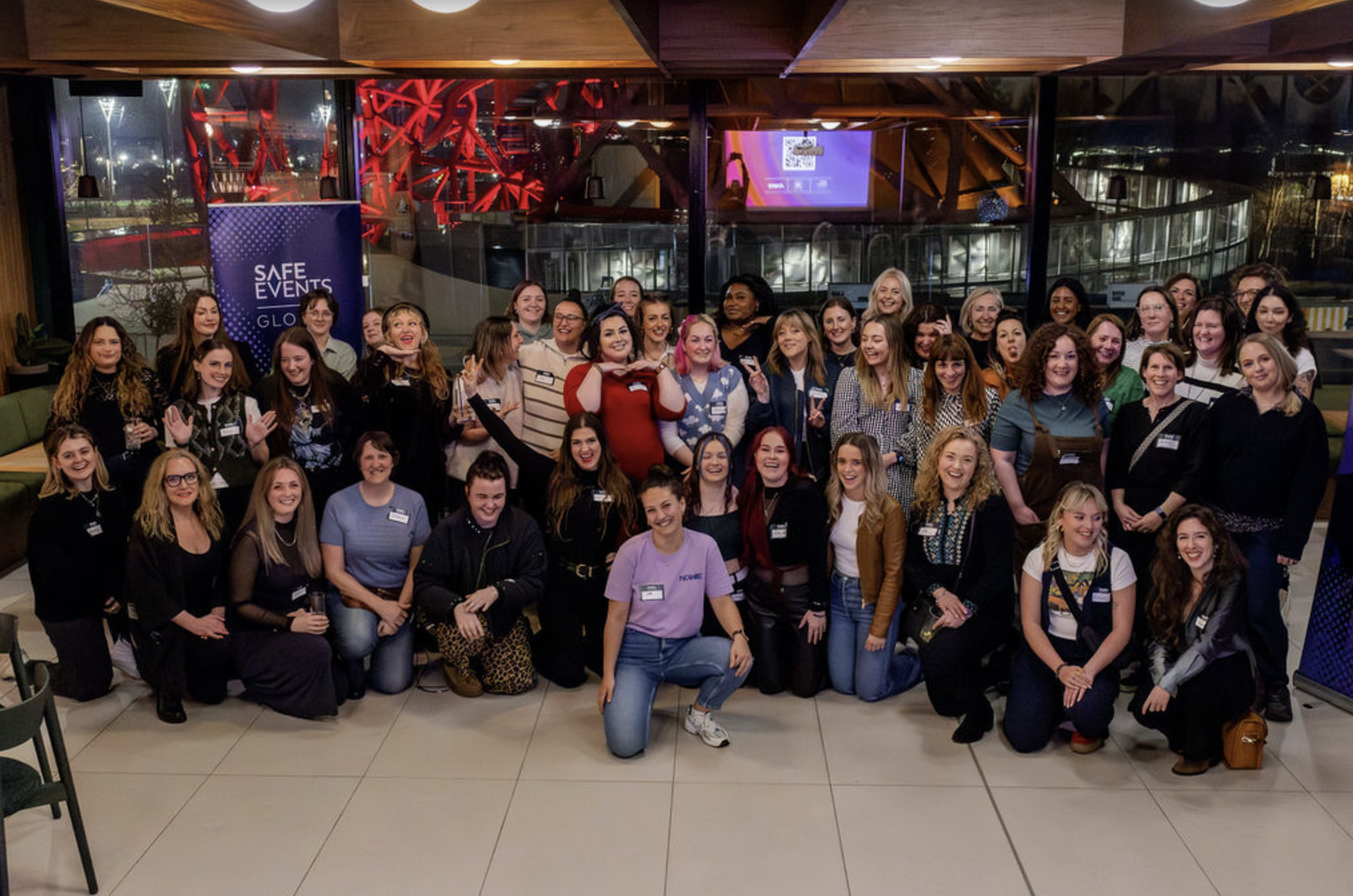
Network Of Woman In Events - NOWIE 2025 Mentor and Mentee Event
The Experience Industry Is Strongest When Everyone Has Space to Lead
Immersive work is about people.
It is about humanity, connection, and building worlds that reflect the rich complexity of real life. Leadership should reflect that too.
We do not just need women in the room. We need women shaping the room.
We need male allies who actively advocate for the women around them.
We need systems that do not simply allow women to lead when circumstances align, but naturally expect women to lead because talent and contribution are recognised without bias.
The encouraging truth is that change is already happening. There are companies across the sector who are proving that inclusive leadership is not only possible, it is commercially and creatively powerful. Talent is not the problem. Capability is not the problem.
The momentum for progress is real.
This industry has everything it needs to overcome the imbalance. When leadership becomes more representative, the work becomes stronger, richer, more resonant, and more culturally impactful. Audiences feel better reflected. Teams feel more supported. Innovation grows.
This is not only a conversation about diversity. It is a conversation about creative excellence, innovation, and the future of the experience industry. The more voices we include at the top, the better the stories we tell, the better the worlds we build, and the better the sector becomes for everyone working within it.
And finally, if you are a woman looking to enter the experience industry, or level up within it, I am always up for a conversation. Mentorship, guidance, shared experience, and solidarity change careers.
None of us should have to navigate this sector alone. We rise faster, and go further, when we rise together.
Sarah Morris - Founder Immersive Ideas Experience Agency
